
Somerset Carnivals: A Beginner's Guide to Dates, Routes, and Viewing Etiquette
An introduction to Somerset's autumn carnival season: how the illuminated processions work, where to stand, how to park, and the local etiquette that keeps everyone safe and smiling.
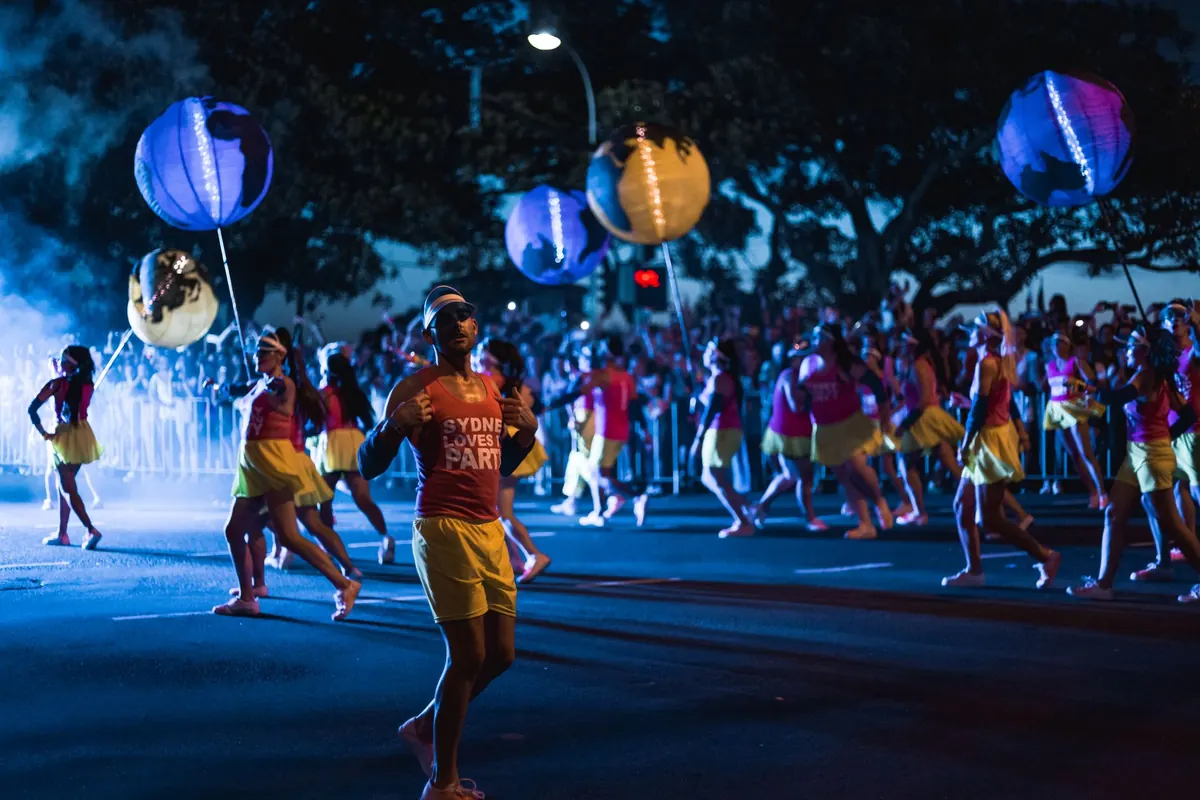
By the time the clocks go back, Somerset nights have a smell of their own: diesel, hot generator, fried onions, and the faint burnt tang of a thousand bulbs warming up. That is carnival night. From late September to mid-November, towns across the county take it in turns to close their streets and let a procession of illuminated carts roll through. They are enormous, hand-built, towed by tractors, and followed by masqueraders in costume. If you have never been, the evening can be bewildering: closed roads, packed pavements, and a start time that seems to change from town to town. Here is how the season works, and how to enjoy it without spending the night stuck in a traffic queue.
What Somerset Carnival Actually Is
Somerset's autumn carnivals are illuminated processions, not fairground rides with toffee apples. Local clubs spend the year building carts: long, hand-decorated structures carried on trailers, lit with thousands of small bulbs and powered by onboard generators. Each cart carries masqueraders in costume and a sound system, and each has a theme the club has kept quiet until the night. They are judged, they compete, and the rivalry between clubs is genuine and decades old.
The tradition grew out of the county's Guy Fawkes celebrations, and it has become one of the biggest events of its kind in the country. Bridgwater's procession is the best known and the busiest, but the same thing happens on a smaller, gentler scale in towns and villages across the county.
Two things surprise first-timers. The first is the scale. Some carts are the length of a small bungalow, and they keep coming for well over an hour. The second is the atmosphere: brass bands, cheering, generators thrumming, and entire families standing on the pavement in coats and woolly hats. There is no ticket. Volunteers walk the route with collection buckets, and the money goes to local charities and back into the clubs. Take some change; a few of the collectors can now take a card, but do not rely on it.
How the Season Runs
The circuit generally begins in late September and finishes in mid-November. Each town gets its own night, deliberately spaced so that neighbouring processions do not clash, and Bridgwater traditionally takes the first Saturday in November. That is the big one: the largest crowds, the earliest road closures, and the longest evening.
If you are new to it, a weekday carnival is a softer landing. Routes are shorter, you can usually find a spot at the kerb without arriving an hour early, and you can be home before midnight. Most processions start between 6.30pm and 7.30pm, so check the town's own carnival website rather than trusting a social media post from two years ago. Dates occasionally shift, and if a night is postponed because of weather, that is announced online too.
Planning the Route and Picking Your Spot
Get a route map before you go. Some towns run a one-way route; others send the procession out and back along the same street, which means you get a second look at the same carts. Where you stand changes the evening more than you would think.
Near the start
Carts are fresh, every bulb works, and the crowds are thinner. You can slip away before the end and beat most of the traffic. The trade-off is that the atmosphere is quieter and the masqueraders are still warming up.
At the judging point
This is where clubs perform: the music swells, the masqueraders work the crowd, and you see each cart at its best. It is also the most crowded stretch of the route, so arrive 30 to 45 minutes early on a Saturday.
Near the end
Space is easier, but some carts will have lost a few lights and the crews are tired. Handy if you are arriving late or travelling with people who cannot stand for long.
Parking, Road Closures and Getting Home
Roads commonly close from mid-afternoon and reopen in the early hours. Assume you cannot drive through town at any point during the evening, and plan the last mile on foot.
- Park on the edge of town and walk in. Fifteen minutes on foot almost always beats forty minutes queuing out of a car park.
- Use the official car parks, and any park-and-ride the town is running. Check the carnival website, not just your satnav.
- Never block a driveway, bus stop or dropped kerb. Residents put up with this every year, and tow trucks work the side streets.
- Note the name of the street where you parked. Everything looks different in the dark.
- If you are coming by train, check the last service before you leave home, and know your walk back to the station.
- Leaving five minutes before the final cart can save you half an hour on the road.
Viewing Etiquette and Local Customs
Most of the unwritten rules exist because the carts are wide, heavy and surprisingly quiet when the band pauses.
- Stay behind the kerb or barrier, even when the road looks empty. There are gaps between entries, and the towing vehicles have limited visibility.
- Do not touch a cart or a costume. The bulbs get hot, and the costumes are fragile and hand-made.
- Keep pushchairs, chairs and dogs out of the road. In truth, dogs are better left at home; the noise is loud and the evening is long.
- Do what the marshals say, straight away. They are volunteers, often on their feet for hours.
- Take photographs from where you are standing. Do not step into the road or lean a camera over someone's shoulder.
- Leave the drone at home. Flying over a crowded street is against the rules for ordinary operators,
Photo: Sander Dalhuisen / Pexels