

A Seasonal Guide to Somerset Cider Farms: Autumn Tastings and Pressing Days
From farmhouse cider barns to apple-pressing weekends, here's how to plan an autumn orchard visit across Somerset, with tasting rooms, events and practical tips.
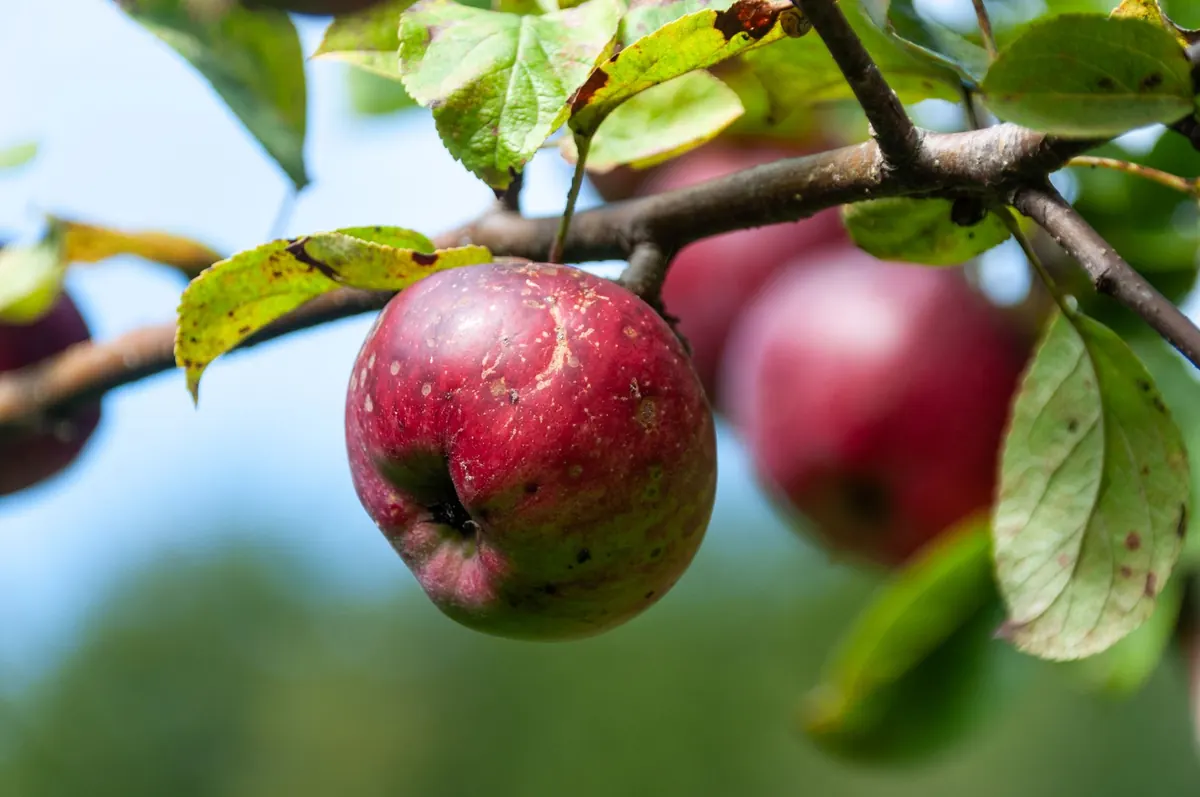
By early October the lanes around Kingsbury Episcopi and Dowlish Wake begin to smell of apples: bruised, sweet, faintly fermented. Harvest in Somerset is a long, unhurried business. Fruit is shaken from the trees or gathered by hand, milled, pressed, and the first cloudy pints are poured within days. The good part for anyone who simply wants to drink the stuff is that many farms open their gates while all of this is going on. Pick the right weekend and you get the whole picture: the yard, the press, the barrels and the people who make them.
Why autumn is the season for it
There is a short window each year when a cider farm is at its most interesting. Apples come off the trees from late September, and pressing runs through October and often into November, depending on variety and weather. Early fruit goes first; the bittersweet cider apples that give Somerset cider its tannin and backbone — Dabinett, Kingston Black, Yarlington Mill — tend to come later.
Visit during pressing and you will hear the mill, smell the juice, and probably end up with a glass of something that was a tree a few hours earlier. Visit in July and you will still get a decent tasting, but the yard will be quiet and the story harder to picture.
Tasting rooms and farm shops worth the drive
Most Somerset cider farms fall into one of two camps: the polished visitor destination with a café, museum and guided tour, or the farmhouse operation where you taste from a jug in a barn and pay at the door. Both are worth your time, and a good weekend will take in one of each.
- Sheppy's Cider, near Taunton — a long-established family cider maker with a museum, orchard walks, a restaurant and a shop. Good for a first visit or a group with mixed appetites.
- Thatchers, Sandford near Winscombe — the best-known name in the county, with tours and a tasting room. Book ahead in harvest season.
- Rich's Cider Farm, Highbridge — farm shop, restaurant and an orchard trail; easy to combine with a trip to Burnham-on-Sea.
- Burrow Hill, Kingsbury Episcopi — farmhouse cider and Somerset cider brandy, sold from a wonderfully unfussy barn in the heart of the Levels.
- Perry's Cider, Dowlish Wake — a working water mill, farm shop and museum, strong on perry as well as cider.
- Wilkins Cider, Mudgley — rough, strong farmhouse cider poured straight from the barrel, with cheese on the side. Cash is a sensible precaution.
- Torre Cider Farm, near Watchet — small and friendly, close to the coast, with animals for smaller visitors.
Opening hours in autumn can be short and changeable, and small farms sometimes close at a moment's notice when the harvest demands attention. Check before you set out, especially if you are travelling more than half an hour.
Pressing days, apple days and open weekends
Beyond the year-round attractions, autumn brings a run of one-off events. Many orchards hold an apple day in mid to late October, with pressing demonstrations, apple identification, juice for children and sometimes a hog roast. Others run harvest open weekends where you can watch the whole process and buy the new season's cider before it has had time to settle.
Some farms invite you to bring your own apples for pressing, usually for a small charge and by arrangement — a good option if a tree in the garden is producing more fruit than you can eat. Ask in advance about quantities, containers, and whether the juice will be pasteurised for keeping or left fresh for drinking within a few days.
Wassailing falls in early January rather than autumn. If you enjoy the harvest visits, the orchard wassail — noise, cider-soaked toast in the branches, a bit of singing — is the natural follow-up, and several Somerset orchards welcome the public to theirs.
What actually happens on a pressing day
If you have never watched cider being made, here is the short version. It is worth knowing, because it explains what you are tasting.
- Picking and resting. Apples are shaken or picked, then left to soften for a few days.
- Washing. Fruit is tipped into a hopper and rinsed to remove leaves, twigs and dirt.
- Milling. The apples go through a scratter and come out as a coarse pulp, known as pomace.
- Pressing. The pulp is layered in cloths and pressed, and the juice runs off into a tank or barrel.
- Fermenting. Left alone, the juice ferments with wild yeasts. Some makers add nothing at all; others control the process closely. Months in the barrel turn it into cider.
The fresh juice is worth trying on the day — cloudy, sweet and nothing like the finished drink. If you buy a bottle of new-season cider, expect it to be lively. Open it over a sink.
Making a day of it
Cider country is spread across the county, so plan around one cluster rather than three farms in opposite directions. The Levels around Kingsbury Episcopi, Martock and Ilminster form the densest patch; the Taunton area and the villages north of the Mendips around Sandford and Winscombe are the other two.
Pair a tasting with a walk — the orchard paths and droves are flat and often muddy — or lunch at a farm shop café, where the menu leans on local cheese, ham and apple cake. Narrow lanes, tractors and cyclists are a fact of life here, so allow more time than the map suggests and take the passing places slowly.
Before you go
- Check opening hours. Seasonal closures and booked-out tours are common in October.
- Sort out the driver. Farmhouse cider is often stronger than people expect, and measures are generous. Nominate someone or book a taxi.
- Dress for the yard. Boots, a waterproof, and a layer you do not mind splashing.
- Bring a cool box. Cider and juice travel better cold, and you will probably buy more than you planned.
- Ask questions. Dry, medium or sweet, blended or single variety, and how strong. Staff are usually pleased to explain.
- Carry a little cash as a backup for small farm-gate sales.
If you are pregnant, driving, on medication, or otherwise unsure about drinking, the usual advice applies: speak to a health professional and stick to the soft option. Most farms now sell juice pressed from the same fruit, which is a decent consolation.
Photo: wal_ 172619 / Pexels