


Frome Independent Market: What to See, Eat, and Avoid
A practical local guide to Frome Independent Market: when to arrive, which streets and stalls are worth your time, where the crowds build, and what to skip.
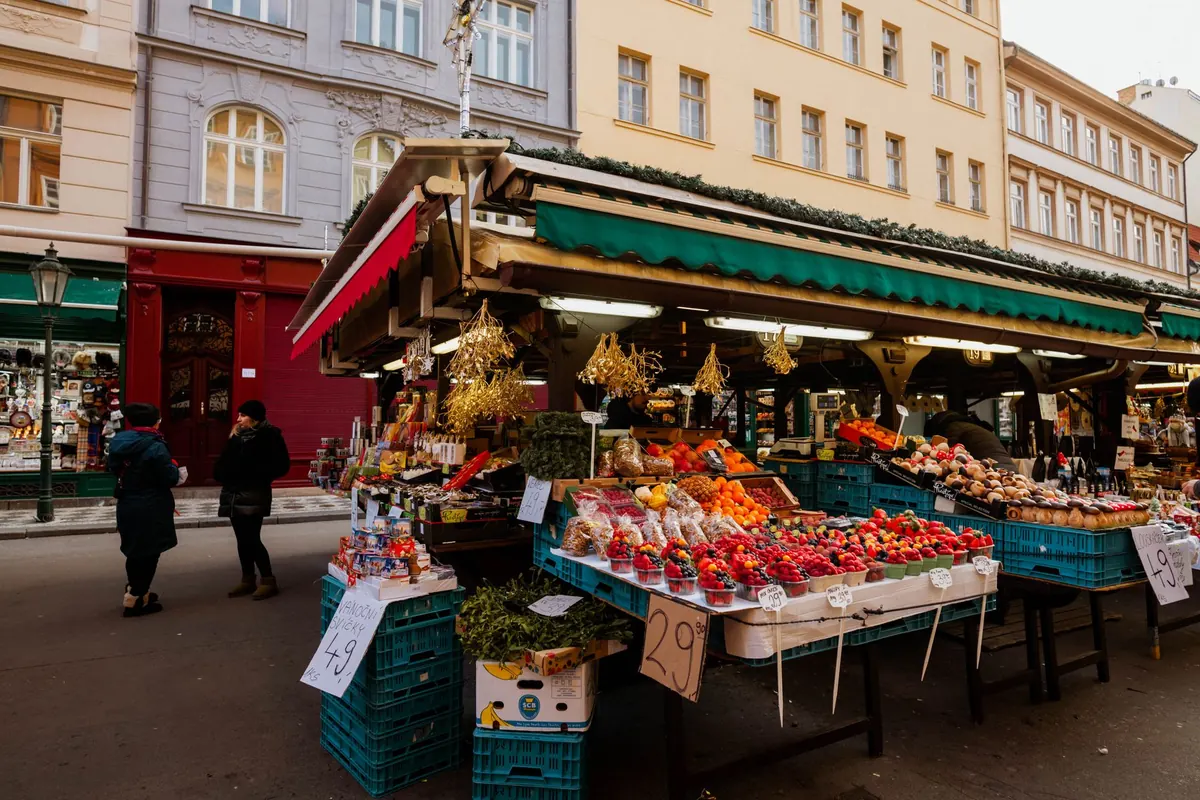
Frome Independent Market takes over the town centre on the first Sunday of most months, and it takes over thoroughly. Roads close, Catherine Hill fills from bottom to top with stalls, and a quick errand in town becomes a slow, sociable shuffle past coffee, cheese, ceramics and crates of second-hand vinyl. It is one of the best days out in Somerset, and one of the easiest to get wrong. Turn up at the wrong hour and you will spend forty minutes queuing for a toastie while the good bits sell out behind you. Here is how to get it right.
What the market actually is
The Independent is a monthly street market rather than a fenced-off event. It is free to walk around, and it runs roughly from mid-morning to mid-afternoon, generally from March through to December, with a break over the winter months. Dates and hours occasionally shift, so it is worth checking the current listing before you plan a journey around it.
The layout spreads across a good chunk of the town: Catherine Hill, Cheap Street, King Street, Market Place, Justice Lane, the Bridge, and the yards around the Cheese and Grain. That is a lot of ground, and it is not flat. It is all outdoors, so the weather matters. A dry, mild Sunday brings out the biggest crowds; a wet one thins them considerably, though some traders will pack up early if it turns nasty.
You will not see all of it — and you shouldn't try
Walking the full market at any kind of browsing pace is a couple of hours of steady strolling, and that is before you stop for food or get stuck behind a family with a double buggy. Pick two or three areas and do them properly. Trying to cover everything leaves you exhausted, hungry and oddly unsatisfied.
Best arrival times
When you arrive shapes the day more than any other decision.
- Before opening, or right at it. The quietest hour. You get first pick of the one-off pieces, the coffee queue is short, and traders have time to talk.
- Mid-morning. Everything is open and running. Crowds are building but still manageable, and you can move at a decent pace along the main streets.
- Noon to 2pm. The crush. Food queues peak, Catherine Hill becomes a slow-moving river of people, and the narrow stretches are genuinely hard to get through.
- From about 2.30pm. Traders begin packing down. Some knock a little off perishables to save carrying them home, but the popular stalls are often sold out and the atmosphere drains quickly.
Getting there is the other half of the timing problem. The centre is closed to traffic on market day and the car parks on the edge of town fill fast. Park once, on the edge, and walk in rather than circling hopefully. The station is a short walk from the action, and buses drop you close by. If you live locally, walk or cycle. It is genuinely quicker.
What to see first
Catherine Hill is the heart of it: steep, cobbled, lined with makers, vintage clothing, jewellery and prints. It is the most photographed part of the market and the most congested.
Cheap Street, with the little brook running down the middle, is where you will find more of the smaller independents and craft stalls. Market Place and Justice Lane lean towards food and drink. Around the Cheese and Grain you will usually find a bigger stage and the widest choice of hot food.
If you take one piece of advice: walk the length of the market before you buy. You will find what you actually want instead of settling for the first thing that catches your eye.
The bits most people miss
Most visitors walk up Catherine Hill and turn back at the top. Push on. The upper end and the side streets tend to be quieter, and they hold some of the more interesting ceramics, textiles and second-hand stalls. The same applies at the far end of the main drag, where the crowd thins in the final stretch.
What to eat
Food is the reason a lot of people come. Expect wood-fired pizza, paella, curries, jerk chicken, dumplings, burgers, brownies and cakes, plus cider, local cheese and very good coffee. Vegetarian and vegan options are usually easy to find; if you have a serious allergy, ask the trader directly rather than relying on a sign.
The single best food tip is to eat early or late. At 11.30am you will walk straight up to any stall. At 1pm you will queue. Coffee queues peak mid-morning, so get yours on arrival or wait until after lunch.
Look for stalls where the cooking happens in front of you — that is usually where the queue is worth joining. Buy one thing at a time and share as you go, rather than committing a whole group to a single long queue. And carry some cash: most traders take cards, but smaller producers sometimes do not, and mobile signal in a packed street can be patchy.
The crowded spots, and how to dodge them
Catherine Hill at midday is the worst of it. The top of the hill, the narrow stretches of Cheap Street and the Bridge are the other pinch points.
A few ways around them. Go up the hill early or late, not at noon. Walk against the flow where you can and step into a doorway rather than stopping dead in the middle. Use the parallel streets to move between areas instead of the main drag. And if the crush defeats you, sit it out with a drink somewhere until half past one, when things loosen up.
If you are bringing a pushchair or a wheelchair, stick to the flatter ground around Market Place and Cheap Street — the cobbles and gradient on Catherine Hill are hard work in a crowd. Dogs cope badly with the scrum, so leave them at home on busy days.
What to avoid
- Driving into the centre. You cannot, and you will just add to the traffic on the ring road.
- Parking in residential streets. It upsets the people who live here all year and often breaches restrictions on market day.
- Arriving at half twelve hungry. Eat first, browse after, or you will spend your best hour in a queue.
- Leaving a specific purchase until the end. If you see the thing you came for, buy it. Stalls sell out and pack down early.
- Assumptions about footwear. Cobbles, gradient, uneven paving. Flat shoes, always.
- Treating it as a quick errand. The market is a two-to-three-hour outing at minimum.
- Keeping a large group together. Agree a meeting point and split up. Everyone will enjoy it more.
A workable plan for market Sunday
Arrive before 10.30 and park on the edge of town. Get coffee, then walk the whole market once without buying anything. Come back and shop the two or three areas you liked. Eat at 11.30 or after 2, catch a bit of music, and head home by mid-afternoon before the pack-down begins.
Two final things. Check the official listing for the date, road closures and any changes before you set out — the first Sunday of the month is the usual pattern, but the details are worth confirming rather than assuming. And remember that this is a working high street. Use the bins, let people past, and do not block shop doorways. The market is a pleasure precisely because the town keeps functioning around it.