

First-Timer's Guide to Glastonbury Tor: Parking, Paths, and Best Views
Where to park, which path to take and when the light is best on Glastonbury Tor — a clear, practical first-timer's guide.
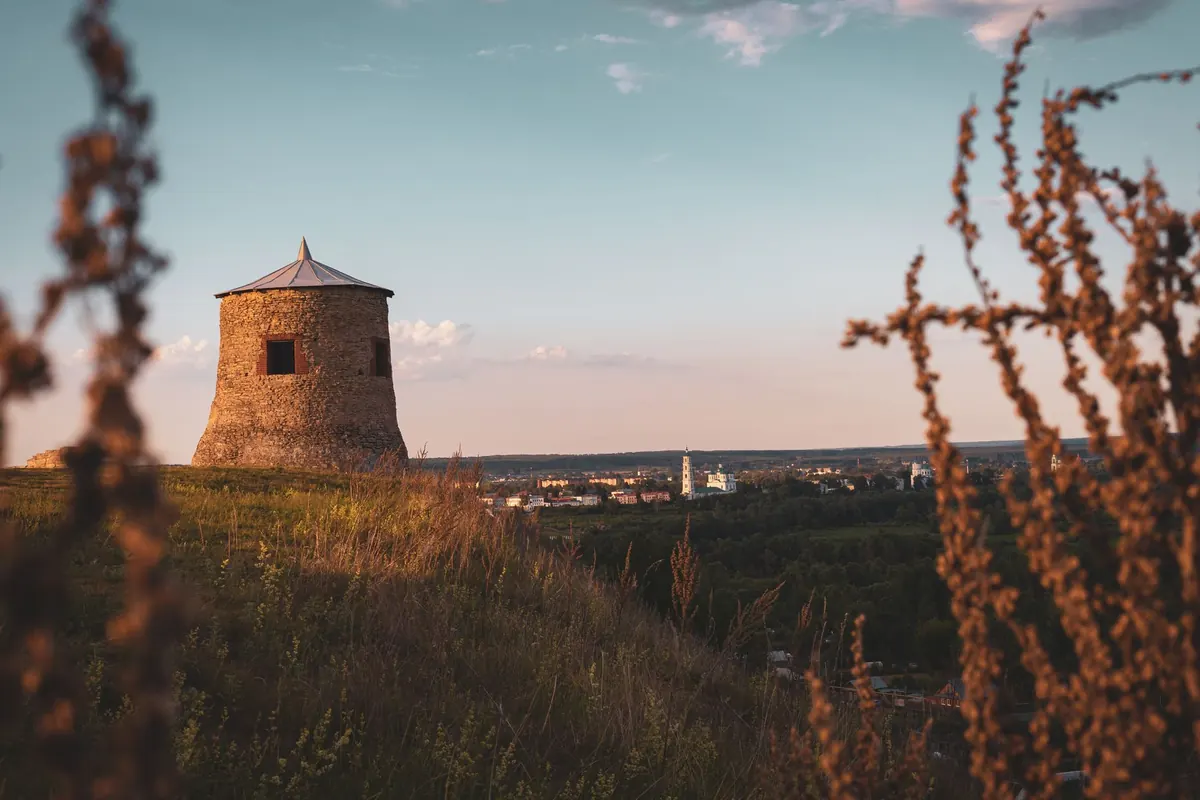
From the town, Glastonbury Tor looks straightforward: a green hill with a broken tower on top and a path winding up it. Up close, it raises real questions. Where do you leave the car? Which route suits a family with a seven-year-old, or a couple in their seventies? And what time do you need to set off to catch the view at its best? Here is what you actually need to know before your first climb.
Where to Park
Glastonbury is compact, and the Tor sits right on its edge, so most people park in town and walk. That is usually the sensible choice. Town car parks are bigger, you are not clogging up narrow residential lanes, and the walk up through the streets is part of the day.
The main options are St Dunstan's car park near the Abbey, Norbins Road car park, and Butt Close. Charges and time limits change, so read the signs on arrival rather than relying on anything you read online, including this. Arrive before mid-morning on a sunny weekend and you will have a much easier time of it.
Closer to the hill, there is a small National Trust car park on Stone Down Lane. It saves you the town walk but fills quickly, and the lane itself is narrow with residents' parking. Please do not treat verges, gateways or field entrances as overflow. Farmers need them, and a blocked gateway is a genuinely bad way to end someone's day.
If you are coming by bus, services run into Glastonbury from Street, Wells and further afield, and the walk from the town centre to the foot of the Tor is short.
Choosing Your Path
There is no single route up. Three are worth knowing about.
The classic route from town
This is the one most first-timers take. Head up through town towards Wellhouse Lane, past Chalice Well, and pick up the main stone path. It is a steady climb rather than a scramble, with a steeper pull and some steps near the top. Give yourself 25 to 40 minutes at a relaxed pace, plus time to stop and turn around, which you will want to do. The surface is uneven stone and earth, so it is not suitable for wheelchairs or most pushchairs.
The Stone Down Lane approach
Coming from the north side, this route is shorter but noticeably steeper. It suits confident walkers who want to avoid the busiest stretch, and it is often quieter early in the day. The trade-off is that you miss the slow reveal of the Levels as you climb.
The flat lower paths
If the summit is not realistic, or you have wheels to push, you can still have a good hour here. The paths around the foot of the Tor and the old railway line towards Street are level, traffic-free and give you wide views across the Somerset Levels without any climb at all. This is also the best option after heavy rain, when the upper path turns genuinely slippery.
What to Wear and Carry
The Tor is only around 160 metres high, but it is exposed in every direction. Conditions at the top can feel two seasons away from the sheltered streets you left ten minutes earlier.
- Shoes with real tread. Trainers are fine in dry weather, smooth soles are not.
- A windproof layer, even in summer. The tower offers no shelter.
- Water, particularly between May and September.
- A torch or a charged phone if you are going up for sunset. The path down is unlit.
- A quick look at the forecast. Mist and high wind change the walk completely.
There are no toilets, bins or refreshments at the top. Everything you take up comes back down with you, and the nearest facilities are in town.
When to Go for the Best Light
Photographers tend to favour the hour after sunrise and the hour before sunset, and for good reason. Low sun rakes across the Levels, picking out the rhynes and field boundaries, and the Mendips and Quantocks take on real shape instead of fading into haze. Middle-of-the-day summer light flattens everything.
Autumn and winter mornings are the ones people remember. Clear, cold nights often produce mist sitting low in the Levels, with the Tor rising above it. It does not happen on demand, but it happens often enough to be worth an early alarm.
Sunrise is the busiest slot, particularly around the equinoxes and solstice, when the hill fills well before first light. If you want solitude rather than company, aim for a weekday morning, or go up in the late afternoon on a grey day when the light is soft and the crowds have gone home. Check the sunset time before you set out and allow at least forty minutes for the climb, so you are not rushing the last stretch in the dark.
Crowds, Quiet Times and Etiquette
Weekend afternoons in summer are busy, and the summit can feel like a gathering rather than a viewpoint. Early mornings are almost always calm. Sheep and cattle graze on the slopes at times, so keep dogs under close control, and on a lead where signs ask for it. The tower is a ruin, so treat any signs about climbing with respect, and take litter home even if the bin in town is more convenient.
Making a Day of It
The Tor works best as half a day rather than a quick stop. A simple shape for a first visit:
- Park in town in the morning and walk up via Wellhouse Lane.
- Spend twenty minutes at the top. Walk the full circuit of the summit, not just the side facing town.
- Come down and have lunch in Glastonbury.
- Add the Abbey ruins or Chalice Well Gardens in the afternoon.
- Finish with the flat walk along the old railway line if your legs have anything left.
One last practical note: the Tor is free to visit and generally open access, but paths can be closed for maintenance or become unsafe in ice and high wind. If conditions look doubtful, save it for another day. The hill has been there a long time, and it will still be there next weekend.
Photo: Nikolay Danilov / Pexels